A thunderstorm rolled over the bay last spring with the sort of authority that ruins dinner plans and testy electronics. Streetlights blinked out, phones buzzed with outage maps, and every house on our block went dark. Except one. The neighbor with a tidy, shed-sized generator sipping natural gas barely noticed. Their lights glowed, the fridge hummed, and the kids finished homework while the rest of us improvised candlelit charades. Backup power doesn’t feel urgent until you hear your freezer quietly die. Then it becomes very practical, very fast.
Home generators solve a straightforward problem: keep your critical circuits powered when the grid gives up. The complexity lives in everything around that idea, from sizing and fuel choices to transfer switches, permitting, and the unglamorous ritual of maintenance. I’ve installed and serviced enough systems to know that the right generator feels invisible, while the wrong one introduces noise, fumes, and regret. If you’re chasing reliability, not drama, there’s a repeatable way to get there.
How to decide what you really need to power
Start with priorities, not horsepower. When people say they want “whole home” backup, they often mean “I don’t want to think about it.” Fair, but it comes with cost. Most households do well with a targeted plan that covers the essentials and the nice-to-haves, all without oversizing.
Think in clusters. Refrigeration, a gas furnace blower, a few lighting circuits, the garage door, the Wi-Fi gear, and a couple of outlets form a baseline that keeps life dignified. Add a well pump, a sump pump, medical equipment, a home office, or security systems where needed. Electric ranges, central A/C, electric water heaters, and EV charging pull heavy loads and require scrutiny.
Two patterns emerge in most homes. First, your must-run items usually total around 3 to 6 kW when managed smartly. Second, big motors spike on startup. A 1 horsepower well pump might run at 1 kW but swallow 3 to 4 times that for a second at startup. That’s why generator sizing is not just about steady-state loads. A seasoned Residential Electrician knows to measure both running and peak demand, then match generator capacity plus a buffer so you’re not living on the edge. In mixed-use buildings or small businesses, a Commercial Electrician will run the same exercise, often with a deeper focus on motor loads, refrigeration banks, or IT gear.
Portable vs. standby generators, without the sales pitch
Portable generators are the Swiss army knife of blackouts. At 2 to 9 kW, they cost a fraction of a standby system and can double as jobsite power. They also ask more of you. You wheel it out, pull a cord, run extension lines, deal with gasoline, and accept the noise. If you want to make them safer and more convenient, you install a manual transfer switch and a proper inlet, so the portable feeds selected circuits without backfeeding the grid. That requires a permit and a competent electrician. Most homeowners who stick with portable models invest in a manual transfer setup and a storage plan for fuel.
Standby generators live outside on a pad and behave like a polite butler. The utility fails, the transfer switch senses it, the unit starts automatically, and your pre-chosen circuits come back to life within seconds. No cord pulling, no gasoline splash, and far better performance in bad weather or at night. Standby units typically range from 9 to 26 kW for residential projects. They run on natural gas or propane, and they want professional installation, which is where Electrician Services from a licensed team like TDR Electric pay for themselves. The upfront cost is higher, but ongoing convenience and reliability are in another league.
Fuel choices that won’t backfire
Fuel is the heartbeat of reliability, especially during long outages.
Natural gas is the set-it-and-forget-it option when available. It feeds directly from the utility, so you never have to fill a tank. Outages on gas lines are rare in most cities. The downside is that your generator depends on two utilities, not one. If seismic events or gas shutoffs are common in your area, weigh that risk.
Propane offers independence. A dedicated tank, sized from 120 to 500 gallons for typical homes, gives you days or weeks of runtime. Propane stores indefinitely without gum or varnish, unlike gasoline. You’ll need periodic refills and a tank location that meets setbacks and code. For homes off the gas grid, propane is the reliable sweet spot.
Gasoline should be reserved for smaller portable units, not standby. It’s easy to source but fussy to store. You’ll need stabilized fuel, regular rotation, and safe containers. In coastal climates or in hot garages, gasoline ages quickly and becomes a maintenance chore.
Diesel makes sense for commercial standby systems and rural properties where diesel is already stored for equipment. It has better energy density and stable storage with proper treatment. Residential diesel systems exist, although they’re less common and typically louder and pricier.
If you plan to integrate Solar Panel Installation with batteries, you’re playing a slightly different game. Solar plus storage handles routine short outages elegantly. When storms stretch into days, a small generator paired with batteries can sip fuel while the batteries handle peak draws. That hybrid approach can cut your generator size in half and turn sporadic noise into a brief cameo instead of a full soundtrack.
The transfer switch, where safety lives
The transfer switch is the safety valve between your home and the grid. It isolates your generator from utility lines so you don’t energize the neighborhood or fry a lineman’s day. It also prevents the grid from backfeeding your generator. For standby systems, the automatic transfer switch is the brains that detect loss of utility, switch the load, and reverse the process when the power returns. For portable setups, a manual transfer switch connects only designated circuits.
This is not a DIY frontier. Electrical codes require proper interlocks, bonding, and labeling. A Residential Electrician with experience in Home Generator Installation will survey your main panel, calculate load priorities, and decide between a service-entrance-rated transfer switch or a subpanel-based approach. The nuance matters. Misplaced neutrals, improper grounding, or ignoring surge pathways can produce gremlins that only appear under emergency conditions. Good Electrical Maintenance Services inoculate against that.
Sizing the generator without guesswork
Most homeowners do fine with 10 to 16 kW standby units if they’re not trying to run central air and an electric range at the same time. If a 4-ton A/C unit is non-negotiable or you have multiple large motors, you might bump to 18 to 26 kW. That kind of number-shopping can feel arbitrary, so here’s a practical rhythm from the field.
List the circuits you actually need: refrigeration, furnace blower, lighting, garage, office, and critical outlets. Add motor loads like a well pump or sump pump. Note any 240-volt loads. Then check appliance nameplates or breaker sizes and translate to real numbers. A fridge might run at 150 watts but require 1,000 watts briefly at startup. A gas furnace blower might be 400 to 800 watts. A modern gas tankless water heater pulls small electrical loads for controls and fans. Electric cooking or heating spikes quickly. Your electrician will balance these with starting surges and install load-shedding modules if needed. These modules temporarily pause one appliance during another’s startup, letting a 14 kW unit behave like a larger one without the bigger price tag.
What a professional installation really looks like
On a clean project, you’ll see a predictable arc. A site visit sets scope and budget. The team chooses a location with code-required clearances from windows and doors and pays attention to exhaust direction. The spot gets a composite or concrete pad. The gas contractor sizes and runs piping with proper regulators and drip legs if you’re on propane. Electrical work includes the transfer switch, conduit runs, conductors sized for distance and voltage drop, and coordination with the utility if the main service needs an upgrade. Commissioning involves software setup, a simulated power loss test, current measurements under load, and verification that every labeled circuit behaves as intended. Expect a few hours of noise during commissioning while the unit cycles through tests.
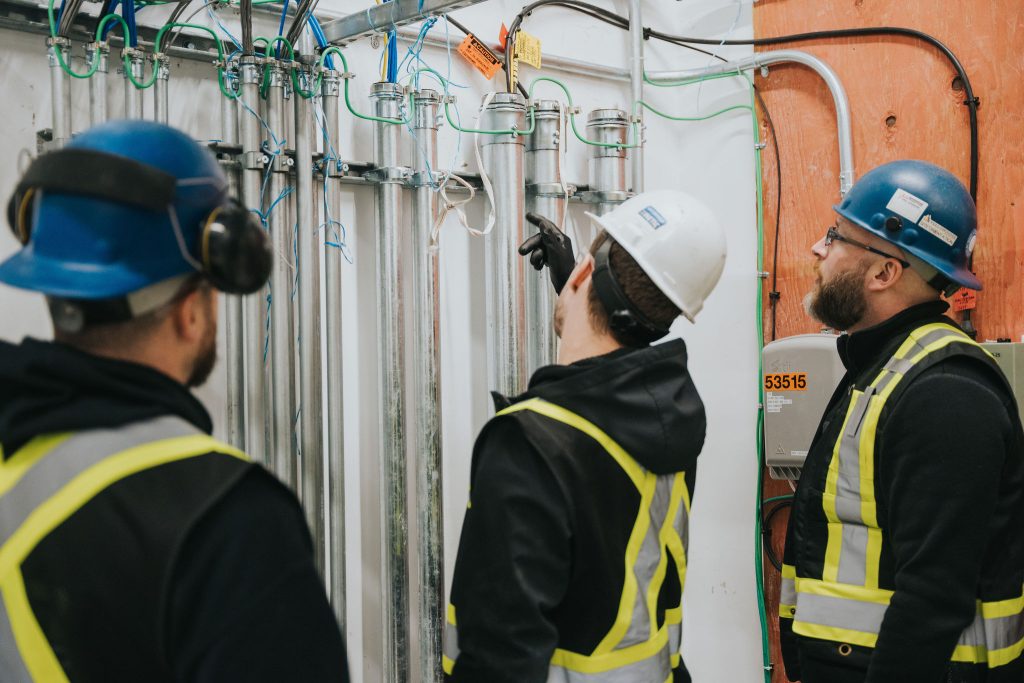
Permits matter. So do inspections. A company like TDR Electric that handles both Residential and Commercial Electrician work will know which inspectors care deeply about gas line sizing versus those who zero in on grounding electrode conductors. The right documentation speeds the pass.
Noise and neighbors deserve attention. Generators have sound ratings measured at specific distances. A typical residential standby unit lands in the 60 to 72 dB range at 23 feet, which is conversation-level noise. Enclosures help, but location does most of the work. Tuck it away from bedrooms and patios, and everyone sleeps better.
The quiet value of surge protection and power quality
A generator’s voltage regulation and frequency control are better on premium models and inverters. Budget units can drift slightly under changing loads, which irritates sensitive electronics. Surge Protection Installation at the main panel, plus point-of-use protection for the fancy TV or home office gear, reduces the risk of nuisance damage during switchover events or lightning storms. If you’ve had repeated electronics failures, it’s often a symptom of broader power quality issues, not a single unlucky strike.
While you’re at it, look at Smoke Detector Installation and Smart Thermostat Installation. Generators keep devices alive, but smart devices keep systems efficient. A smart thermostat that delays compressor restart after a power transition avoids unnecessary simultaneous starts. It’s a small trick that lowers the generator’s stress during those first seconds after the transfer switch clicks.

After the install, the maintenance makes or breaks you
Generators fail two ways: by never being tested or by being tested only in someone’s imagination. The routine is predictable. Oil changes every 100 to 200 hours or annually, whichever comes first. Air filters and plugs according to the manual, usually every 2 to 3 years, or sooner in dusty areas. Battery replacement every 3 to 5 years, more often in extreme climates. Monthly test runs for 10 to 15 minutes under automatic exercise, with a quarterly loaded test that actually switches the house over. If that feels like overkill, imagine discovering a dead starter battery on the only night you truly needed power.
For propane systems, check regulator vents for spider nests. For natural gas, inspect flex connectors and paint markings to catch corrosion early. Confirm that critters haven’t turned your enclosure into a condo. If your utility puts you near a coastal road, salt spray can chew on enclosures and terminations, so you’ll want extra attention and periodic washing. Maintenance visits from a qualified technician through Electrical Maintenance Services will include firmware updates on newer units, transfer switch inspections, torque checks on lugs, and combustion diagnostics. It’s not glamorous, but it is the difference between a reliable system and a lawn ornament.
When emergency support matters more than spec sheets
Outages rarely book appointments. A contractor that offers Emergency Electrical Services can make or break a storm week. Parts fail. Propane delivery runs behind. A transfer switch throws an error code at 2 a.m., and your house sits quietly in the dark. When choosing a provider, ask real questions. Do they stock common consumables like filters, plugs, regulators, relay boards? Do they have technicians familiar with your specific generator brand and controller? How fast can they respond when the grid is down across half the county? A firm like TDR Electric that services both residential and light commercial sites often carries the breadth of parts and training that pay dividends during chaotic weather.
Working with the rest of your electrical ecosystem
Generators are one chapter in your home’s electrical story. If you have EV Charger Installations, plan how they behave during an outage. Smart chargers that default to pause when running on generator power avoid overwhelming a smaller system. If you’re considering Smart Home Device Installation, look for automations that detect generator mode and shed loads temporarily. Tenant Improvements in multi-unit properties often need shared standby strategies, with separate meters, labeled transfer equipment, and clear signage for safety.
Electrical Vault Cleaning and service equipment housekeeping in commercial spaces reduces the chance of faults during transfers. Dust and conductive debris in switchgear can arc when voltage and frequency fluctuate, so routine cleaning is more than cosmetic. Labeling and directories matter too. During an outage, you don’t want to guess which breaker feeds the furnace or which subpanel carries the office network rack.
Solar, batteries, and the polite handshake with generators
People often ask if solar panels will power their home during an outage. On a typical grid-tied system without batteries, the answer is no. Inverters shut down to protect line workers. Add a battery system and you gain an island capable of powering selected loads. With enough solar and a generous battery, you might ride out short outages silently. For long winter storms, the generator becomes your faithful rain-day plan.
Hybrid setups require careful integration. You can’t allow your generator and solar inverter to argue over who’s in charge. The batteries need to sense generator power and adjust charging rates so they don’t hammer a small unit. This is where an experienced installer coordinates Solar Panel Installation with Home Generator Installation using the right controls, communication wiring, and programming. It feels like overthinking until you watch a 10 kW generator purr effortlessly while the batteries top up gently, then carry the evening loads without burning a gallon of fuel.
Codes, permits, and neighbors who like to sleep
Noise, exhaust, and aesthetics win or lose goodwill. Most jurisdictions set setback requirements from windows and property lines, often in the 3 to 5 foot range for side clearances and more for exhaust faces. Sound blankets can help but rarely solve bad placement. Ask your installer for a short daytime and nighttime sound demo from recent jobs. If you live in a coastal zone or wildfire area, expect added requirements around anchoring, clearances, and sometimes spark arrestors.
Permitting isn’t just a formality. Gas line sizing is a frequent pitfall. If your home already runs a furnace, stove, and water heater on a modest meter, adding a 15 to 20 kW generator can push the limits. A thorough site survey includes a gas load calculation and, when needed, a meter upgrade request. Inspectors love seeing that math. It signals a job that won’t starve under load.
Common mistakes, seen and fixed
I once visited a home where the generator started perfectly but tripped off every time the well pump kicked in. The installer had sized for running load, not starting surge, and no one had tested with the pump active. We added a soft-start device and rebalanced the transfer circuits. Problem solved, and the homeowner stopped jogging to the basement during storms.
Another frequent hiccup involves central A/C. Compressors hate brownouts. If your generator is borderline or your thermostat restarts everything at once, you get a perfect storm of starting currents. A smart thermostat that staggers restarts, combined with hard-start kits on larger compressors, smooths the first minute after transfer. It’s a small investment that saves an expensive compressor and a https://tdrelectric.ca/services/commercial-electrician/electrical-maintenance/ few gray hairs.
Then there are the near-misses. I’ve seen extension cords run through propped doors for days, with carbon monoxide creeping in from a portable generator ten feet away. A permanent inlet and a manual transfer switch cost less than one ER visit. If you stay with a portable unit, treat it like a chainsaw: respect, distance, and a plan.
A practical pre-storm drill
Use this short checklist twice a year and before a big storm. It cuts failure rates dramatically.
- Run the generator for 10 minutes under load. Flip the transfer switch so it actually powers the circuits, not just idles. Check oil level, air filter condition, and the date on your last service tag. Top up propane if you’re below half a tank. Test Wi-Fi and monitoring apps. If alerts can’t reach you, they don’t help. Walk the property for exhaust clearance. Move patio furniture or debris away from the enclosure. Verify that sensitive gear rides behind Surge Protection Installation and that your EV charger is set to pause during outages.
Where expertise earns its keep
A skilled installer sees the house as a system. They’ll ask what you cook on, whether your furnace is gas or electric, how often your sump pump cycles during heavy rain, and whether the home office needs a conditioned power outlet on its own circuit. They might suggest a small subpanel to simplify critical load management, or an upgrade to an aging main panel that won’t safely accept a transfer switch. They’ll coordinate with a gas fitter, pull the right permits, and show up after the first storm to crunch through any gremlins that surface under real use.

If you’re shopping providers, look for depth beyond sales brochures. Ask about warranty support, spare parts on hand, and whether they offer Emergency Electrical Services during multi-day events. If they also handle Smart Home Device Installation, EV Charger Installations, and broader Electrical Maintenance Services, you’ll benefit from a team that can keep the whole system coherent. A group like TDR Electric that regularly moves between residential backups, light commercial systems, and Tenant Improvements brings a library of field lessons that protect your budget and your sleep.
The steady payoff
Backup power isn’t glamorous. It’s a promise to your future self that the food stays cold, the basement stays dry, and the house keeps its nerve when the street goes dark. Pick the fuel that suits your geography and temperament. Size for what you truly need, with headroom for the rude seconds when motors wake up. Invest in a proper transfer switch. Add surge protection so the generator doesn’t become the villain. Service it like a small car, not a garden gnome.
Do those things, and the next storm becomes background noise. Your lights click back, your devices reconnect, and your home settles into that quiet competence you notice only when it’s missing. That, more than any spec sheet, is the measure of a good generator install.
Name: TDR Electric Inc.
Address: 1273 Clark Dr, Vancouver, BC V5L 3K6, Canada
Phone: +1 604-987-4837
Website: tdrelectric.ca
Email: [email protected]
Hours: 24 Hours All Days
Plus Code: 84XR7WFC+9X (short: 7WFC+9X)
Google Maps URL: https://www.google.com/maps/place/TDR+Electric+Inc./@49.273397,-123.0801556,17z/data=!3m1!4b1!4m6!3m5!1s0x5486704eeda05d95:0xf424cd92195e1778!8m2!3d49.273397!4d-123.0775807!16s%2Fg%2F11b7y791rn
Map Embed:
Socials:
https://www.facebook.com/TDRelectric/
https://www.instagram.com/tdrelectric/
https://www.linkedin.com/company/tdr-electric-inc/
https://www.youtube.com/@TDRElectricInc
TDR Electric Inc.
TDR Electric Inc. in Vancouver is a local electrician serving Vancouver and surrounding areas.
Homeowners choose TDR Electric for local electrical work across the Lower Mainland.
TDR Electric Inc. provides commercial and residential services like smart home devices in Greater Vancouver.
Need help fast? Call +1 604-987-4837 to request a quote with a trusted team.
For estimates, email [email protected] and a trusted electrician will respond.
Find TDR Electric at 1273 Clark Dr, Vancouver, BC V5L 3K6, Canada for a customer-focused electrical partner.
Google Maps directions for TDR Electric Inc.: https://www.google.com/maps/place/TDR+Electric+Inc./@49.273397,-123.0775807,16z/data=!3m1!4b1!4m6!3m5!1s0x5486704eeda05d95:0xf424cd92195e1778!8m2!3d49.273397!4d-123.0775807!16s%2Fg%2F11b7y791rn!5m2!1e2!1e4
Popular Questions About TDR Electric Inc.
What services does TDR Electric Inc. offer in Vancouver?
TDR Electric Inc. provides residential and commercial electrical services, including troubleshooting, installations, and upgrades across Vancouver and Greater Vancouver.
Do you install EV chargers in Greater Vancouver?
Yes—TDR Electric Inc. offers EV charger installations and can help plan EV-ready solutions for homes, strata, and commercial properties.
Can you help with service panel upgrades and breaker issues?
Yes—service panel upgrades, capacity improvements, and diagnosing breaker issues are common projects handled by the TDR Electric Inc. team.
Do you provide commercial electrical work and tenant improvements?
Yes—TDR Electric Inc. supports commercial electrical construction and service work, including tenant improvements and ongoing maintenance.
How do I request a quote or schedule an electrician?
Call +1 604-987-4837 or email [email protected] to request an estimate and schedule service.
How can I contact TDR Electric Inc.?
Phone: +1 604-987-4837
Email: [email protected]
Website: tdrelectric.ca
Facebook: https://www.facebook.com/TDRelectric/
Instagram: https://www.instagram.com/tdrelectric/
LinkedIn: https://www.linkedin.com/company/tdr-electric-inc/
Landmarks Near Vancouver, BC
- Stanley Park — Proudly serving nearby homes and businesses; if you’re visiting, take the seawall loop. https://www.google.com/maps/search/?api=1&query=Stanley%20Park%2C%20Vancouver%2C%20BC | https://en.wikipedia.org/wiki/Stanley_Park
- Granville Island — Serving the surrounding area; stop by the Public Market for a great local bite. https://www.google.com/maps/search/?api=1&query=Granville%20Island%2C%20Vancouver%2C%20BC | https://en.wikipedia.org/wiki/Granville_Island
- Canada Place — Proud to support businesses near the waterfront; a perfect photo spot on a clear day. https://www.google.com/maps/search/?api=1&query=Canada%20Place%2C%20Vancouver%2C%20BC | https://en.wikipedia.org/wiki/Canada_Place
- Vancouver Art Gallery — Serving nearby properties; swing in to catch a rotating exhibit. https://www.google.com/maps/search/?api=1&query=Vancouver%20Art%20Gallery%2C%20Vancouver%2C%20BC | https://en.wikipedia.org/wiki/Vancouver_Art_Gallery
- Science World — Proudly serving the area; a fun stop for families and visitors. https://www.google.com/maps/search/?api=1&query=Science%20World%2C%20Vancouver%2C%20BC | https://en.wikipedia.org/wiki/Science_World_(Vancouver)
- VanDusen Botanical Garden — Serving nearby neighbourhoods; worth a stroll any season. https://www.google.com/maps/search/?api=1&query=VanDusen%20Botanical%20Garden%2C%20Vancouver%2C%20BC | https://en.wikipedia.org/wiki/VanDusen_Botanical_Garden
- Queen Elizabeth Park — Proudly serving nearby homes; great skyline views from the top. https://www.google.com/maps/search/?api=1&query=Queen%20Elizabeth%20Park%2C%20Vancouver%2C%20BC | https://en.wikipedia.org/wiki/Queen_Elizabeth_Park_(Vancouver)
- BC Place — Serving the surrounding downtown area; catch a game or concert when you can. https://www.google.com/maps/search/?api=1&query=BC%20Place%2C%20Vancouver%2C%20BC | https://en.wikipedia.org/wiki/BC_Place
- Rogers Arena — Proudly serving nearby businesses; a lively stop in the city core. https://www.google.com/maps/search/?api=1&query=Rogers%20Arena%2C%20Vancouver%2C%20BC | https://en.wikipedia.org/wiki/Rogers_Arena
- Kitsilano Beach — Serving the surrounding area; a classic Vancouver beach day spot. https://www.google.com/maps/search/?api=1&query=Kitsilano%20Beach%2C%20Vancouver%2C%20BC | https://en.wikipedia.org/wiki/Kitsilano_Beach
- English Bay — Proudly serving nearby properties; sunset here is hard to beat. https://www.google.com/maps/search/?api=1&query=English%20Bay%2C%20Vancouver%2C%20BC | https://en.wikipedia.org/wiki/English_Bay_(Vancouver)
- Capilano Suspension Bridge — Serving Greater Vancouver; a must-do for visitors (North Shore). https://www.google.com/maps/search/?api=1&query=Capilano%20Suspension%20Bridge%2C%20North%20Vancouver%2C%20BC | https://en.wikipedia.org/wiki/Capilano_Suspension_Bridge